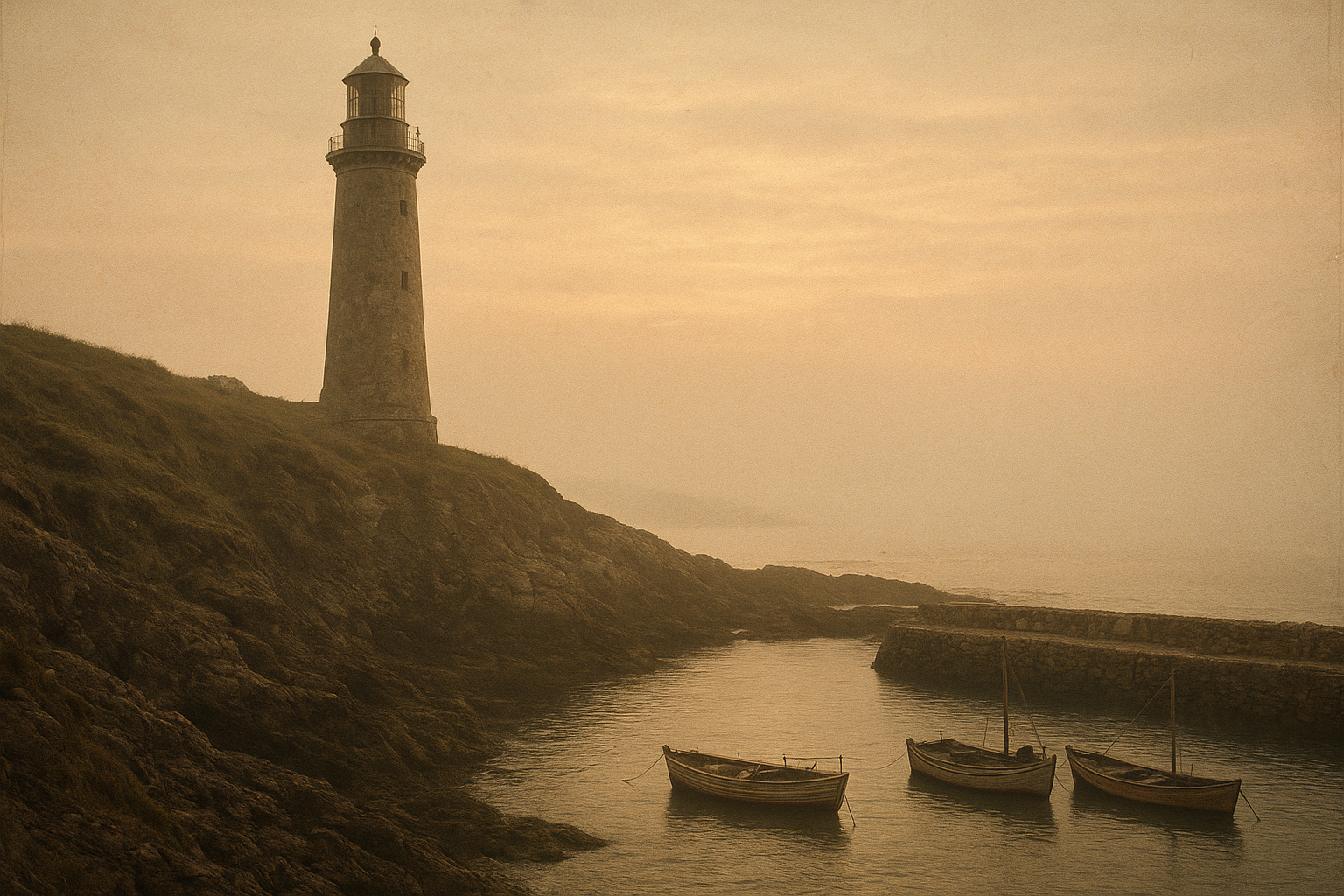
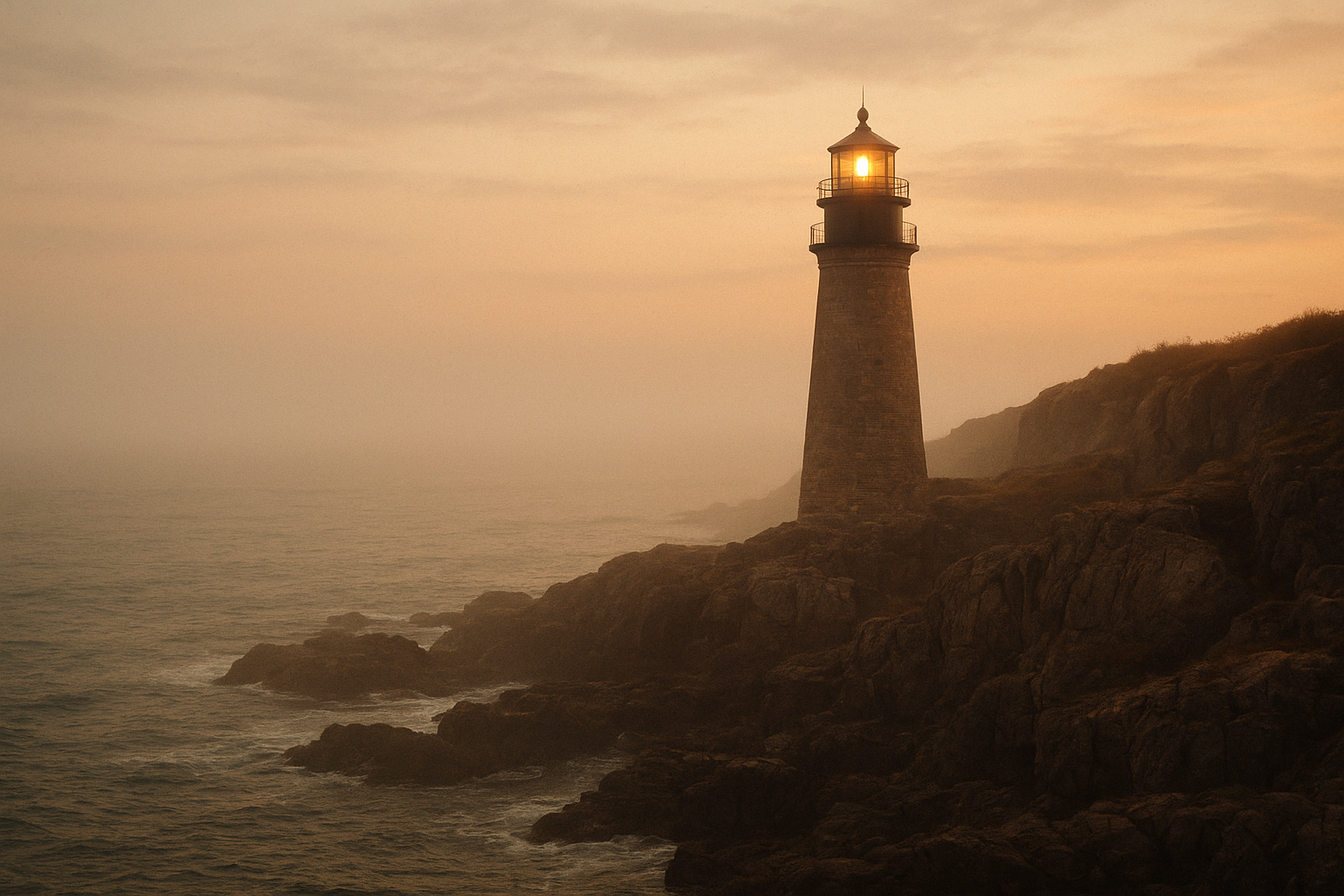
Warm film-inspired photograph of a northern coast lighthouse on rugged cliffs at dusk with sea mist and gentle waves

Northern Coast Lighthouses Archive

History of the northern coast’s lighthouses, preserved in image and memory.

Explore archive photographs, keeper stories, and preserved towers in one readable coastal history reference.

  • Archive photographs
  • Keeper recollections
  • Preserved towers

Why the northern coast lighthouses became essential landmarks

Before charts were standardized, these towers anchored routes, warned of sudden weather, and connected remote shore communities to maritime trade.

Navigation

Fixed light patterns helped captains identify dangerous headlands and align safe harbor approaches after dusk.

Weather

Fog bells and storm signals gave nearby crews earlier warning than inland stations could provide.

Trade

Reliable beacon timings stabilized shipping corridors that carried timber, fish, and mail between coastal towns.

Isolation

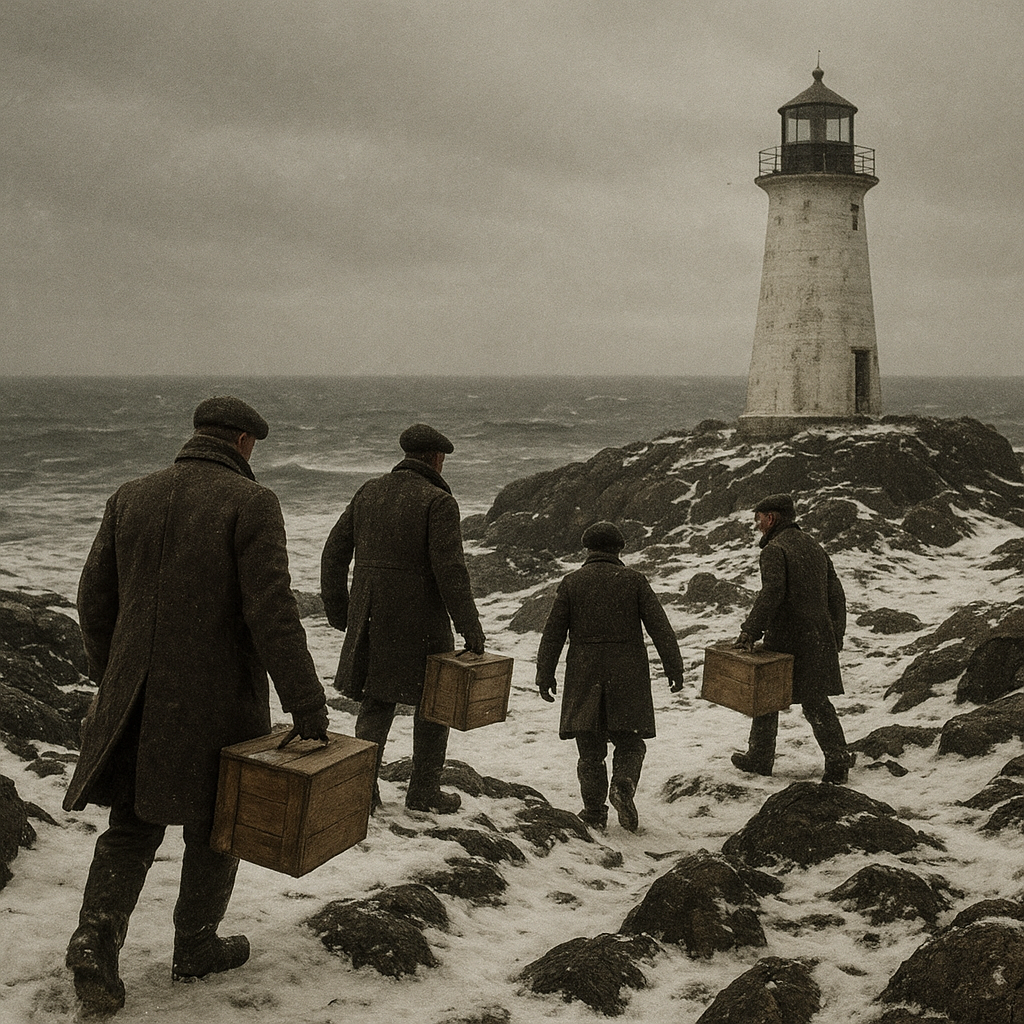
Keepers often served in near-solitude for months, maintaining lamps through winter gales and limited resupply.

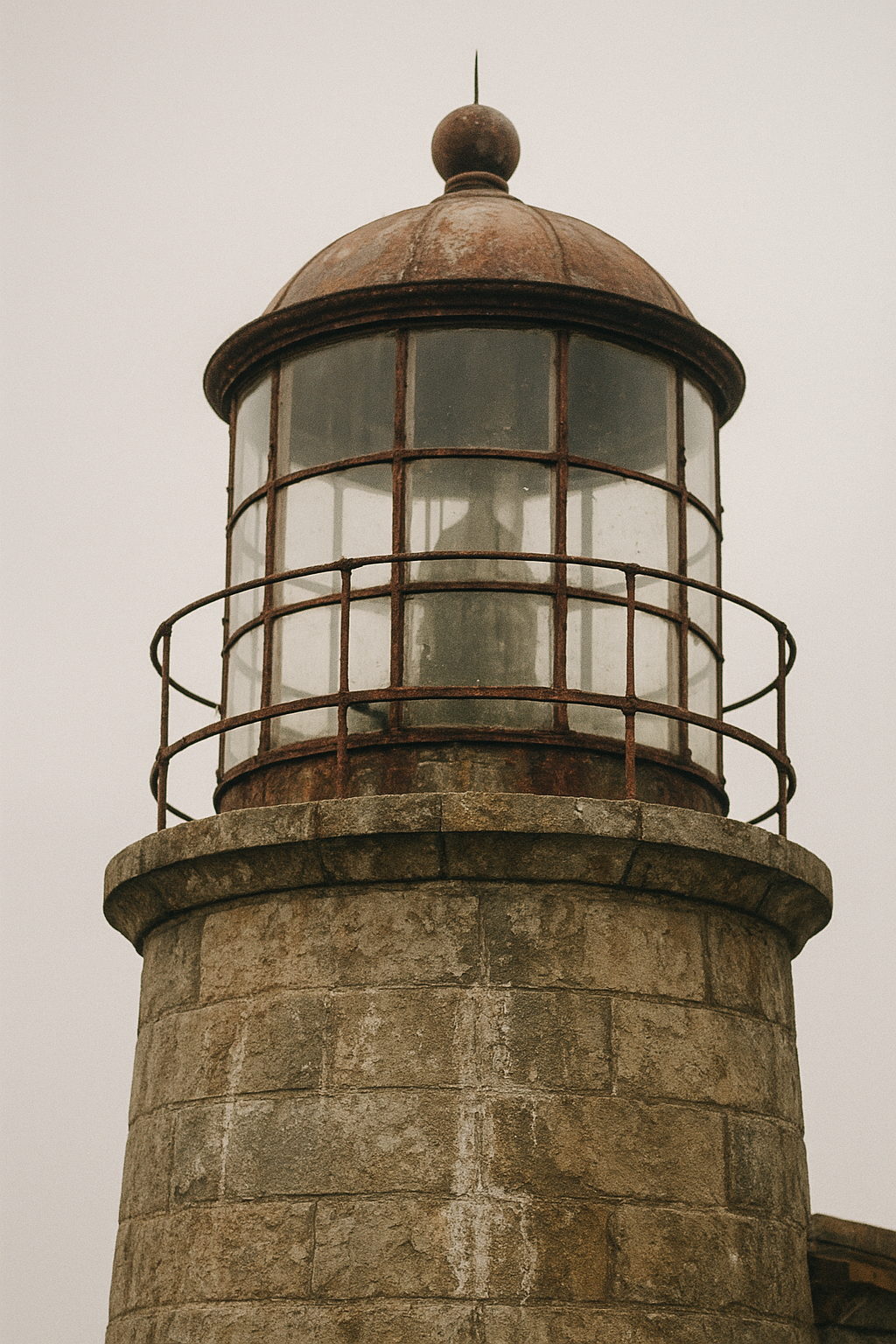
Close archival view of a weathered northern coast lighthouse wall, iron lantern framing, and sea-worn stone detail
Archive detail study: salt-worn masonry and lantern housing from the northern coast.

Keeper stories

Lives measured by weather, wick, and watch.

Short recollections from the coast record routine work, private resolve, and the quiet companionship that carried long nights at the lantern.

“On January evenings, Elias Ward kept a kettle near the lens-room stove and wrote tide notes in the margin of his logbook. He said the beam steadied him as much as it guided the schooners.”

Journal fragment, Gull Point light, winter watch

“Mara Kline trimmed the wick before dawn, then mended oilskins by the gallery door. Her letters mention gull calls at first light and the comfort of hearing boots on the stair at shift change.”

Letter excerpt, North Reach station, spring season

“Thomas Ivers marked every fog bell interval with a carpenter’s pencil on the sill. He joked that the sea never kept the same temper twice, but the lantern room asked for the same care each night.”

Oral recollection, Breakwater headland, late summer
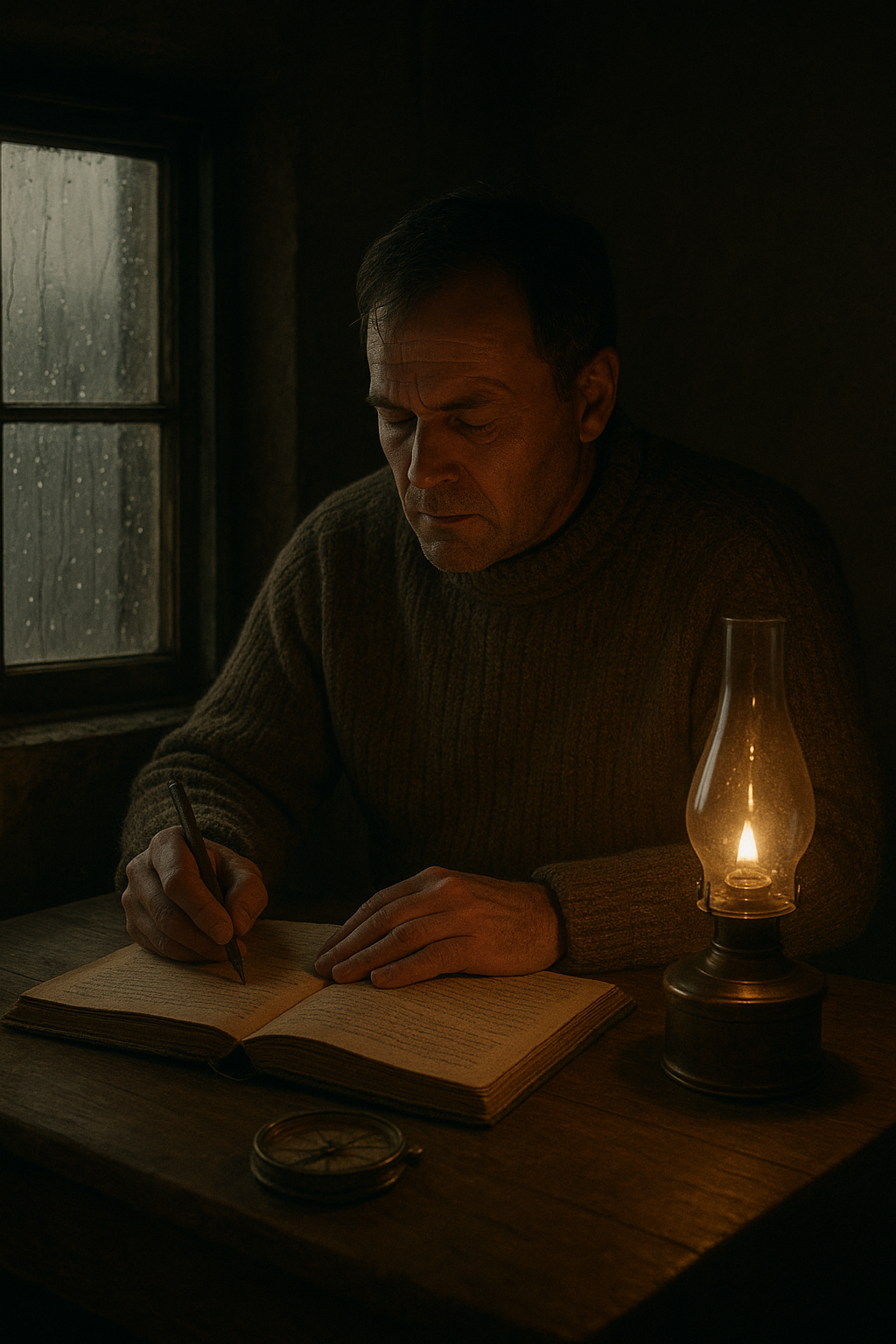
Weathered lighthouse keeper writing by lantern light at a wooden desk, with logbook pages and brass instruments
Atmospheric study: nightly log entries in the keeper’s room.

Preserved towers across the northern coast

From active headlands to restored harbor lights, this overview traces where lighthouse history remains visible today before you continue to the full map path.

Northern Headland Chain

A continuous run of cliff-edge lights where original masonry and lantern forms remain legible along the exposed coast route.

Harbor Pairings

Inner and outer harbor towers preserved as navigational companions, now read together through walkable waterfront approaches.

Island Keep Stations

Remote towers and keeper grounds retained through conservation partnerships, with access notes varying by season and tide.

Restored Community Landmarks

Town-linked towers adapted as interpretation points, where archival panels and preserved structures connect local memory with maritime record.

Visit & research notes

Practical guidance for reading and visiting with care.

These notes answer common questions in a calm, reference-first format. Open each item for concise guidance before exploring towers or continuing your archive reading.

How are the preserved towers cared for?

Stewardship usually combines municipal care, heritage groups, and volunteers. Conditions vary by site, so this archive emphasizes verified records and current preservation notes rather than fixed assumptions.

Can visitors reach every lighthouse listed?

Access differs by terrain, conservation status, and local safety rules. Use the map path as orientation, then confirm local guidance for paths, viewing distances, and seasonal restrictions.

What should I know about coastal weather conditions?

Weather can change quickly along the northern coast. Plan for wind, cold spray, and low visibility, and allow extra time so visits remain observational, safe, and unhurried.

How can visits stay respectful to heritage sites?

Remain on marked routes, observe posted boundaries, and avoid touching fragile surfaces. Quiet observation and careful photography help protect both structures and surrounding habitat.

Where should I continue research after this section?

Use this archive as a starting index, then compare dates, keeper names, and tower references across related sections. Continue with archive photographs, keeper stories, and the map-led tower overview.